Burnout doesn't start with “I can't do this anymore”: how to spot it early on
Burnout rarely starts in the morning when you look at your laptop and realize: "That's it. I can't take it anymore."

Burnout rarely starts in the morning when you look at your laptop and realize: "That's it. I can't take it anymore."

You open an IT job listing. Business Analyst. Interesting. Project Manager. Sounds familiar. QA Engineer. Maybe worth checking out. And then you see words like API, SQL, Agile, Jira, Git — and you close the tab.

Imagine: a specialist misses a deadline. For the second time. You see the problem but don't want to turn the conversation into a conflict. So you decide to say nothing for now. Maybe the person will understand it on their own. Or you'll discuss it at the next performance review.

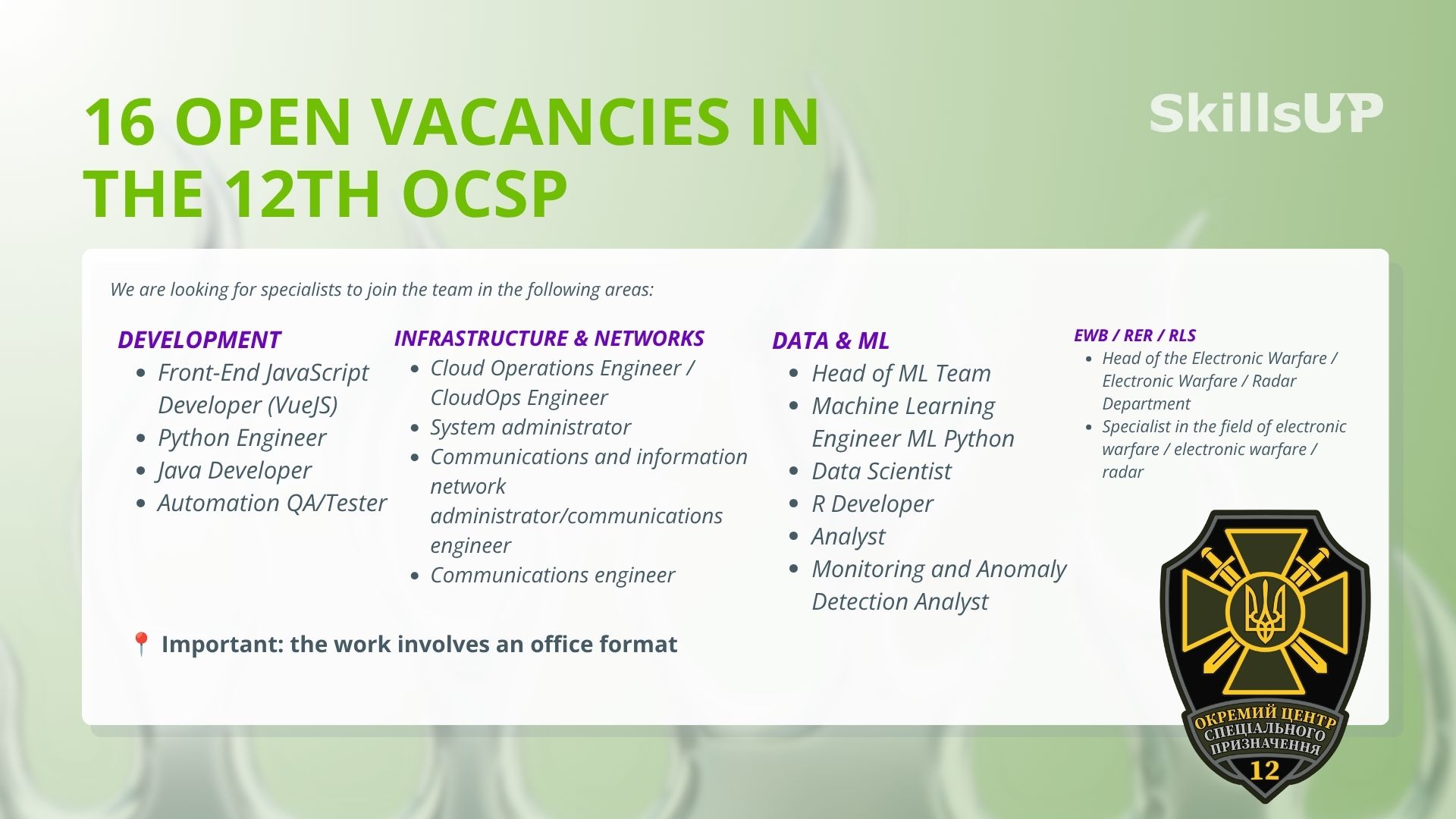
The 12th Separate Special Purpose Center is opening 16 vacancies for technical and specialized professionals.

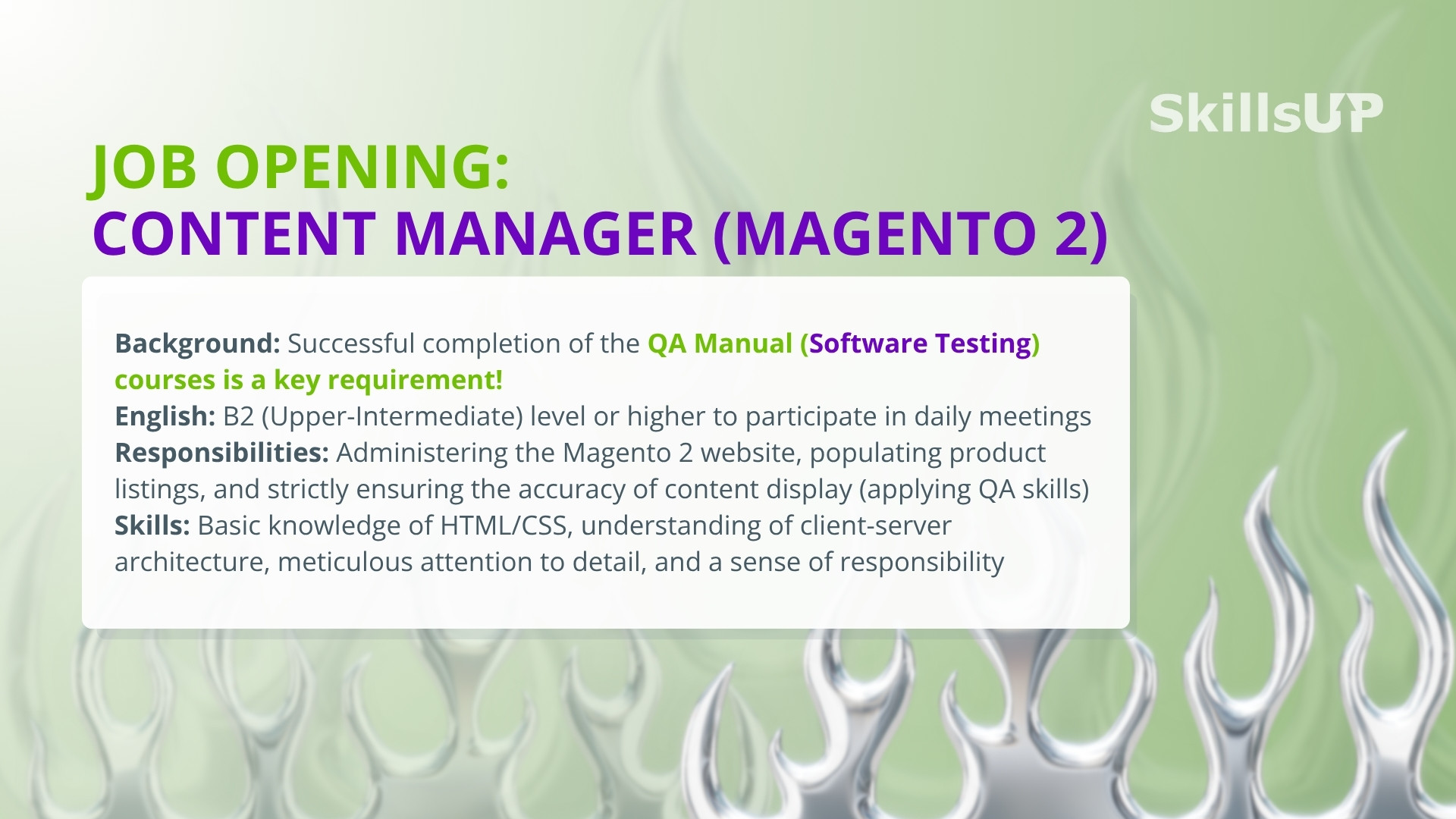
Have you just successfully completed the Manual Testing (QA Manual) course and are looking for an opportunity to apply your knowledge to a real project? We have a great offer for you!

You are browsing LinkedIn and realize: recruiters write to one specialist every day offering top positions, while your inbox is empty. Your experience and tech stack are similar. What's the difference?

On June 9, Cloud Builders will host the online Embedded & IoT Conf, bringing together experts in Embedded Systems, IoT, Linux, software performance, and cybersecurity.

If you want to not just "look for bugs", but build a career and earn more - this article is for you.

Most companies don't fail because they lack ideas or resources. They stagnate because they lack clarity. Too many initiatives, parallel directions. Too little understanding,Where are we really going, and why?

“Marino, I want teams to improve performance by 13 times”. Although this emotional request from a customer was made about a decade ago, team performance remains a major challenge for leaders today.

This year, SkillsUP celebrates its 15th birthday! Over the past decade and a half, we have graduated thousands of talented students, helped them find their way in the world of technology, acquire a new profession, and radically change their lives.

Data analytics has been on the list of the most in-demand digital professions for several years now. Companies are accumulating more and more data and need specialists who can turn it into understandable business insights. But along with the development of technology, the role of the Data Analyst is also changing.

A few years ago, creating a website almost always meant working with code. You needed to know HTML, CSS, sometimes JavaScript, and understand hosting and content management systems. For most people, this looked complicated and highly technical.